
 By Micheal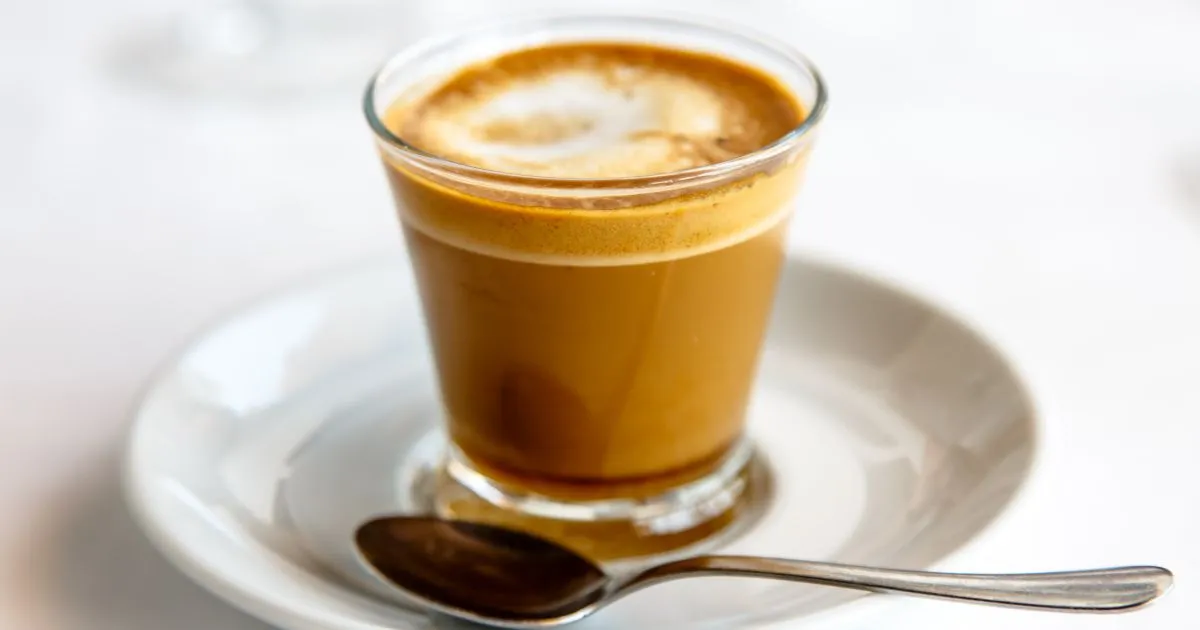
Coffee Cortado culture has evolved dramatically over the years, with countless variations and methods emerging to suit every taste. From the simple drip coffee to the more intricate espresso-based drinks, coffee lovers are continually searching for the perfect brew. One such creation that has gained considerable popularity, especially in recent years, is the Cortado.
This humble yet sophisticated beverage strikes a unique balance between espresso and steamed milk, offering a rich coffee flavor without overwhelming bitterness. But what exactly is a cor tado? How did it come about, and why has it become such a favorite among coffee enthusiasts? In this article, we’ll dive deep into the history, composition, and variations of the cortado, exploring what makes it one of the most beloved espresso drinks today.
The word “cortado” comes from the Spanish verb “cortar,” which means “to cut.” In the context of coffee, it refers to the act of “cutting” the espresso with a small amount of milk. A traditional cortado consists of a single or double shot of espresso and an equal amount of steamed milk. Unlike some of the more well-known espresso drinks like the latte or cappuccino, which feature much more milk, the cortado maintains a higher espresso-to-milk ratio, allowing the bold, roasted flavors of the coffee to shine through while still offering some creaminess from the milk.
The cortado is typically served in a small glass, ranging from 4 to 6 ounces, making it a compact but satisfying drink. The milk used in a cor tado is steamed, but not to the frothy consistency of a cappuccino or latte. Instead, the milk is gently heated, creating a silky smooth texture that complements the espresso without overpowering it.
The origins of the cortado are often traced back to Spain, where it has been a popular choice among coffee drinkers for decades. The drink is especially beloved in Spain’s café culture, but it has spread to various parts of the world, particularly in Latin America and more recently in specialty coffee shops in the United States and Europe.
In Spain, the cortado is commonly served in smaller cafés and bars, often as a mid-morning or afternoon pick-me-up. The balance of strong espresso and milk makes it an ideal choice for those who enjoy the intense flavor of espresso but find it a bit too harsh on its own. The cortado’s roots can also be seen in other Spanish and Latin American coffee drinks, such as the cafecito or café con leche, which also feature coffee and milk but in different proportions.
Though the cortado is often associated with Spain, similar drinks can be found throughout the world under different names. In Italy, for example, a similar drink called a “macchiato” is made by “staining” espresso with a small amount of milk. In Portugal, there is a version called the galão, which consists of espresso and milk but with a larger proportion of milk.
To understand why the cortado is so beloved, it’s important to break down its components and explore the balance between espresso and milk.
- Espresso: At the heart of the cortado is the espresso shot, which provides the strong, robust flavor that characterizes the drink. A good espresso shot is brewed with finely ground coffee beans, water heated to a specific temperature (around 190-200°F), and high pressure, resulting in a concentrated burst of coffee flavor. The quality of the espresso is crucial in a cortado, as it is the base upon which the drink’s character is built.
- Steamed Milk: The milk in a cortado is steamed to a velvety texture, but unlike the frothy foam used in a cappuccino or latte, it’s smoother and more uniform. The milk’s natural sweetness helps soften the acidity of the espresso, creating a harmonious flavor profile. The milk should not overpower the espresso, but rather enhance its flavor and add a rich, creamy mouthfeel.
- Proportions: The defining characteristic of a cor tado is the ratio of espresso to milk. While this can vary slightly depending on the barista or region, the standard ratio is usually 1:1, meaning one part espresso to one part steamed milk. This allows for a balance of flavors, where the strength of the espresso is not lost but is rounded out by the milk. This is in stark contrast to drinks like a latte (which has a 1:3 ratio of espresso to milk) or a cappuccino (with a 1:2 ratio).
In recent years, the cortado has risen in prominence in specialty coffee circles, particularly in artisanal cafes and third-wave coffee shops. There are several reasons for this surge in popularity.
- Balanced Flavor: The cortado offers a unique balance of bold coffee flavor and creamy smoothness. Unlike a cappuccino, where the foam can sometimes overpower the espresso, the cor tado maintains a harmonious equilibrium that appeals to people who love the taste of espresso but want something softer and more drinkable.
- Size and Strength: In a world where large, sugary coffee drinks often dominate the market, the cortado’s smaller size and intense flavor offer a refreshing change. The cor tado is neither too weak nor too strong—its 4-6 ounce serving size is the perfect middle ground between a shot of espresso and a full-fledged latte or cappuccino.
- Simplicity: The cortado is a straightforward drink that doesn’t rely on additional flavors or syrups. For coffee purists, this simplicity allows the natural flavors of the coffee beans to shine through. The focus is on the espresso and milk, with no distractions from excessive sweetness or flavor additives.
- Cultural Influence: With the rise of global coffee culture, many people are seeking out drinks that are less commercial and more authentic. The cor tado’s Spanish origins, coupled with its prominence in Latin American coffee culture, offer a more traditional alternative to mass-market beverages like the caramel macchiato or iced coffee.
While the classic cortado is made with espresso and steamed milk, many variations of the drink have emerged over time, each with its unique twist.
- Gibraltar: In the United States, particularly in San Francisco, the cor tado is sometimes referred to as a “Gibraltar.” The primary difference lies in the glass used to serve the drink. A Gibraltar is typically served in a small, 4-ounce glass, often with a more substantial amount of milk compared to the traditional cortado. The drink is named after the glassware used in the Ritual Coffee Roasters café in San Francisco.
- Cortado with Flavors: While traditional cortados focus on the interplay between espresso and milk, some coffee shops offer flavored versions of the drink. Adding syrups such as vanilla, caramel, or cinnamon can introduce an extra layer of sweetness without overshadowing the coffee’s essence. However, these flavored cor tados are generally seen as a modern twist rather than a traditional preparation.
- Iced Cortado: For those who prefer cold beverages, the iced cor tado is a popular alternative. This version involves cooling the espresso shot and mixing it with cold milk, often served over ice. The iced cortado maintains the same balance of flavors, but the chilled temperature can make it especially refreshing on hot days.
The cortado is a drink that masterfully balances the intensity of espresso with the creaminess of steamed milk. Its simplicity, small size, and harmonious flavor profile have made it a favorite in specialty coffee shops and beyond. Whether enjoyed as a mid-morning pick-me-up or as a way to savor the flavor of high-quality espresso, the cortado provides an exceptional coffee experience.
From its origins in Spain to its global popularity today, the cor tado proves that sometimes less is more—a lesson in the art of coffee-making, where balance and quality always triumph over excess.
 lara
lara