
 By lara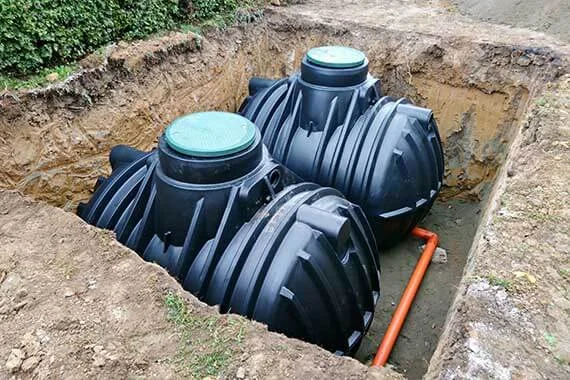
- Regular septic system maintenance is vital for preventing failures, protecting the environment, and saving on repair costs.
- Smart technologies and modern innovations make monitoring and maintaining septic systems easier and more efficient than ever before.
- Environmental shifts and climate change are influencing how homeowners and communities approach septic management.
Proper care of a septic system is essential to ensure it functions efficiently and prevents costly repairs. Regular maintenance involves inspecting the tank, checking for leaks, and ensuring that the drain field is not clogged or overused. Homeowners should avoid flushing non-biodegradable items or pouring harsh chemicals down drains, as these can disrupt the natural bacteria that break down waste. Routine pumping, typically every three to five years depending on household size and tank capacity, helps prevent sludge buildup and potential system failure.
For those seeking professional support, septic services Orlando, FL can provide thorough inspections, cleaning, and repairs when needed. Staying proactive with maintenance not only extends the lifespan of a septic system but also protects the surrounding environment from contamination. By understanding and following proper care practices, homeowners can ensure a reliable, long-lasting septic system while avoiding unexpected problems.
As technology continues to evolve, the septic industry is embracing smart innovations that simplify monitoring and early detection of problems. Modern septic systems can now feature integrated sensors that provide real-time data on the tank’s water level, flow rates, and potential leaks. These IoT-based systems empower homeowners and service professionals to track performance through mobile apps and automated alerts. Instant access to this vital information facilitates a proactive approach; issues can be addressed long before they require expensive repairs or pose environmental threats.
These advances mark a significant improvement over traditional systems that rely on periodic, manual inspections. By utilizing predictive analytics, smart septic solutions help reduce emergency callouts, lower maintenance costs, and promote environmental responsibility. This wave of intelligent technology is not only beneficial for individual property owners but also supports larger community health and sustainability goals.
Protecting water quality and minimizing pollution are at the forefront of septic system design innovation. Advanced Treatment Units (ATUs), for example, use aeration to foster the growth of aerobic bacteria, which break down solids and impurities more thoroughly than conventional septic tanks. This additional step not only results in cleaner effluent but also significantly reduces the risk of contaminating local water supplies. Some systems now incorporate nitrogen-reduction components, which are crucial for preventing nitrogen pollution that can lead to hazardous algal blooms and compromise aquatic habitats.
Manufacturers and engineers are developing materials, filters, and operational enhancements that minimize maintenance requirements and further curtail the environmental footprint of onsite wastewater treatment. Many regions are revising building codes to encourage, or even require, the adoption of these higher-performance systems, fueling the ongoing shift toward sustainability in both rural and suburban development.
Proactive care is rapidly becoming the norm in the septic industry. Homeowners who invest in preventive maintenance benefit from extended system longevity, fewer breakdowns, and lower repair costs over time. Professional service providers are now leveraging data-driven reminders, comprehensive inspection reports, and educational resources to help property owners stay ahead of any issues.
These preventive measures, coupled with the increasing integration of smart technology, create a culture of responsible stewardship. Homeowners are encouraged to view routine check-ups as essential, rather than optional, ensuring that their investment in wastewater management remains secure and sustainable.
Septic systems across the country are facing new pressures due to climate change. Rising sea levels, intense rainfall, and extreme weather events can lead to oversaturated drainfields and even total system failures. In many coastal areas, the threat to water quality is particularly acute, as saltwater intrusion and ground instability impact system performance. These changing dynamics highlight the urgent need for adaptive designs that can withstand environmental stresses. Innovative approaches, such as elevated tanks and improved filtration, are in demand to ensure continuous and safe operation even as conditions evolve.
Progress in septic system management is being accelerated through community partnerships and local initiatives. In rural areas, collaborative efforts to monitor water quality and survey septic system performance provide valuable, actionable insights. By combining qualitative data with environmental indicators, communities can respond quickly to emerging threats and propose targeted solutions. Initiatives to educate residents and raise awareness are key to boosting participation and elevating sanitation and environmental health standards across the board.
State and local agencies are supporting these movements with resources and grants to help homeowners upgrade outdated systems and install best-in-class technology. The result is a more resilient, efficient, and environmentally friendly wastewater infrastructure that serves everyone’s needs.
Septic system maintenance today involves a blend of routine care, advanced technologies, and environmental responsibility. By choosing proactive practices and working with trusted professionals, homeowners can ensure the reliability, safety, and sustainability of their septic systems for years to come. Staying informed about innovative solutions and evolving challenges puts homeowners and communities alike at the forefront of smart, sustainable wastewater management.
 Micheal