
 By lara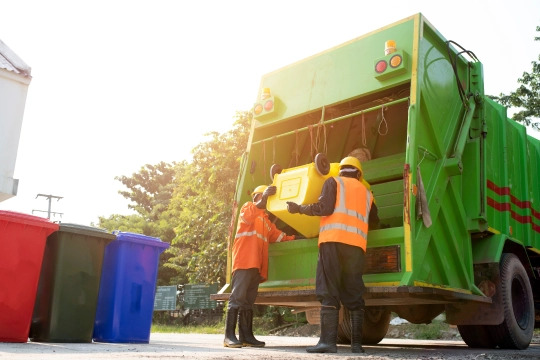
Key Takeaways
- Proper waste management reduces environmental pollution and health risks.
- Recycling and composting conserve natural resources and reduce landfill use.
- Community involvement is essential to the success of waste management programs.
- Technological advancements improve waste sorting and recycling efficiency.
Maintaining clean and vibrant communities hinges on a commitment to efficient waste management. From reducing pollution to ensuring healthier living environments, well-planned strategies for trash and debris control benefit neighborhood vitality and livability. As neighborhoods invest in systematic approaches, including trash removal Portsmouth VA, they help limit the negative effects of improper waste disposal, which can impact local residents in the short and long term.
Efficient waste practices safeguard local air and water, conserve resources, and improve the quality of life for families and businesses. As more people become engaged in sustainable efforts, a unified approach can further strengthen the community’s spirit and resilience.
Reducing Environmental Pollution
When waste is improperly managed, hazardous substances can seep into soil and groundwater, contaminating them and endangering public health and wildlife. Regular disposal services and thorough sorting routines can prevent toxic chemicals from electronics, batteries, and household cleansers from reaching landfills and leaching into the environment. Community programs focused on organized collection or hazardous waste drives have a measurable impact, helping reduce pollutants in the air and waterways. Studies from the Environmental Protection Agency confirm that cities with robust waste management frameworks consistently report better air and water quality, support local biodiversity, and reduce the risk of respiratory ailments.
Conserving Natural Resources
Recycling initiatives and widespread composting offer a path toward conserving non-renewable resources while tackling the growing mountains of waste produced by modern life. By recovering valuable materials from trash, such as metals, plastics, and glass, the production cycle for new goods requires less raw input and energy, lowering the environmental cost of manufacturing. Composting organic matter, such as food scraps and yard trimmings, not only diverts waste from landfills but also enriches soil quality for community gardens or urban agriculture projects. According to National Geographic, recycling one ton of paper saves over 17 trees and thousands of gallons of water, highlighting the significance of material recovery in reducing natural resource depletion.
Enhancing Public Health
Trash that accumulates in alleys, vacant lots, or public parks is more than an eyesore; it presents real health dangers. Uncollected garbage attracts rodents, flies, and mosquitoes, all of which are known carriers of disease. Furthermore, decomposing organic waste releases methane and other greenhouse gases, contributing to climate change and worsening air quality. A strong waste management system ensures regular pickup, timely debris removal, and responsible processing of hazardous materials. The result is a cleaner, safer urban experience where families and businesses can thrive without the risks posed by unsanitary waste conditions.
Fostering Community Engagement
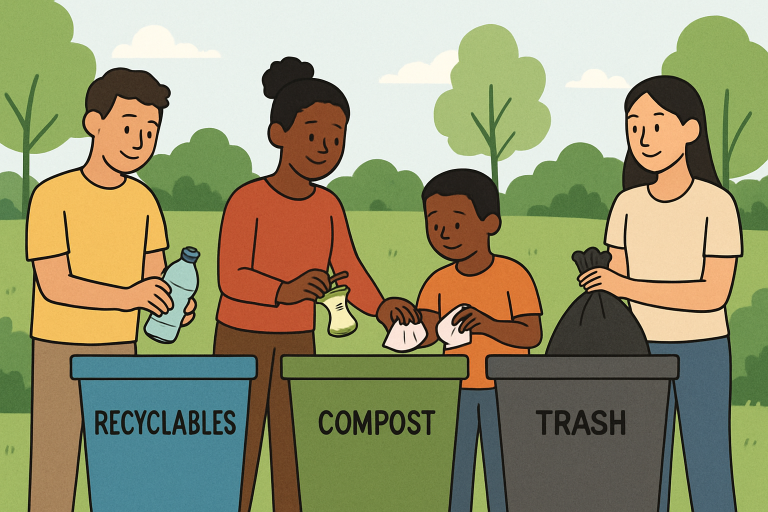
Success in waste reduction depends on active community participation. Educational campaigns teach residents about proper waste sorting, best recycling practices, and the dangers of illegal dumping. Organized clean-up drives, local contests, and volunteer days inspire civic pride and make proper disposal a shared neighborhood responsibility. When people see positive changes resulting from these collective efforts, more will join, driving greater participation. Neighborhoods that foster a culture of environmental responsibility are more likely to maintain cleaner public spaces and achieve notable improvements in waste management metrics.
Implementing Technological Innovations
Emerging technologies are rapidly advancing how cities approach waste collection and recycling. Smart bins equipped with sensors monitor fill levels and send data to waste haulers, ensuring timely pickups while optimizing routes to reduce fuel consumption and costs. Artificial intelligence plays a critical role in separating mixed recyclables at facilities, increasing accuracy and maximizing the recovery of valuable materials. For example, AI-driven algorithms analyze traffic and container locations to suggest faster, more sustainable routes for trucks, thereby directly reducing emissions and enhancing efficiency in municipal waste strategies.
Supporting Sustainable Development
Efficient waste management extends far beyond trash collection; it is foundational to sustainable urban growth. Cities that minimize excess waste generation and encourage recycling contribute directly to a circular economy, where resources are kept in use for as long as possible. By closing the loop through the reuse and repurposing of materials, communities drastically reduce their ecological impact and cultivate a legacy of stewardship for future generations.
Encouraging Policy and Regulation Compliance
Sticking to local, state, and federal waste regulations is not only a legal obligation but a vital aspect of environmental responsibility. Proper adherence to guidelines regarding recycling, landfill use, and hazardous waste ensures that every part of the waste stream is treated safely and effectively. Regulatory compliance helps protect natural resources, avoids costly fines, and nurtures public trust in the commitment of both businesses and residents to keeping the community healthy and pollution-free.
Conclusion
Clean, healthy, and sustainable communities do not happen by chance; they are shaped by a shared focus on efficient waste management. By reducing pollution, conserving resources, improving public health, and engaging residents in thoughtful, innovative programs, neighborhoods can enjoy the benefits of a cleaner future. Through policy compliance and the ongoing adoption of new technology, communities set the stage for lasting environmental stewardship and a higher quality of life for everyone.
 Micheal